
How Developing Nations Can Win the Luxury Travel Market Through Strategic Marketing
Luxury travellers aren’t looking for the biggest hotel, the tallest skyscraper, or the busiest city.
They’re looking for something much harder to find: authenticity.
For many developing nations, this presents an incredible opportunity. Countries across Africa, South America, Southeast Asia, and parts of the Indian Ocean possess extraordinary wildlife, landscapes, cultures, and hospitality that simply cannot be replicated elsewhere.
Yet many still struggle to attract the high-value travellers they’re perfectly positioned to serve.
The challenge isn’t the destination.
It’s how the destination is marketed.

Start Selling Transformation.
Luxury travellers don’t spend thousands of dollars simply to book a room.
They invest in experiences that change how they feel.
A safari lodge isn’t selling a bed.
It’s selling:
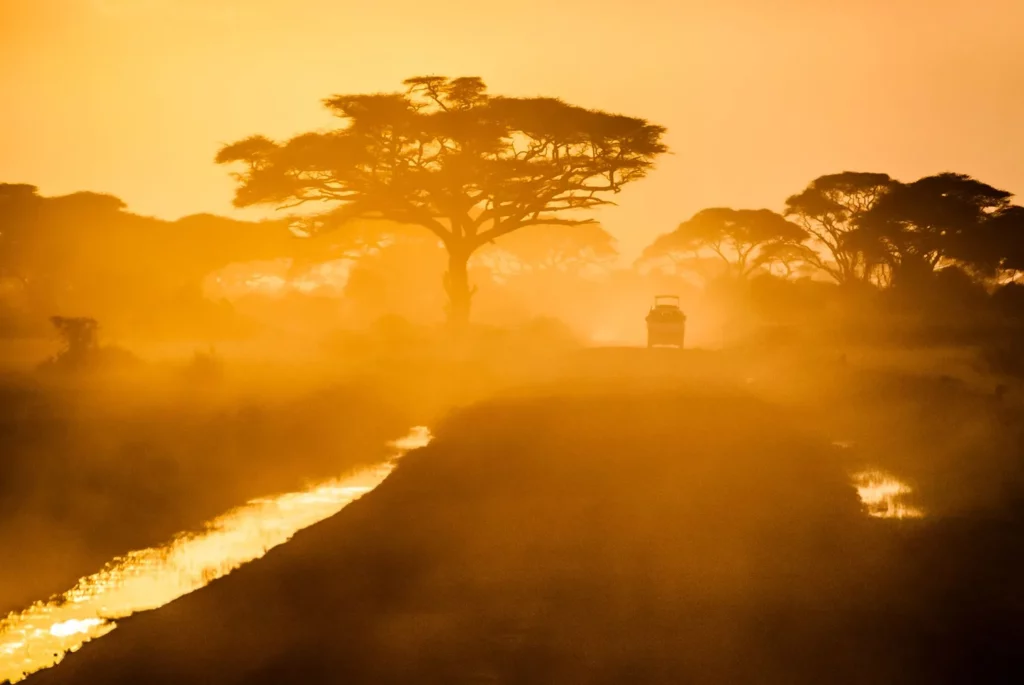
- Watching elephants walk past your deck at sunrise.
- Disconnecting from emails and reconnecting with family or friends.
- Dining under African skies.
- Stories that guests will tell for decades.
Too often, tourism marketing focuses on features:
- Luxury suites
- Infinity pools
- Five-star dining
- Wi-Fi
- Air conditioning
These are expected.
What travellers truly buy is emotion.
Developing nations have a unique advantage because they offer experiences that wealthy travellers cannot experience at home.
The marketing should reflect that.
Compete on Authenticity, Not Price
One of the biggest mistakes destinations make is believing they must compete by being cheaper.
Price attracts shoppers.
Value attracts luxury travellers.
A guest travelling from London, New York, Sydney, or Dubai isn’t necessarily searching for the lowest nightly rate.
They’re looking for exclusivity. Privacy. Exceptional service. Meaningful experiences. Authentic cultural connection.
The reality is that many developing countries already possess these qualities naturally.
What they often lack is the confidence to market them properly.
Rather than saying:
“Affordable luxury.”
Consider saying:
“Book a one of only eight suites overlooking of Africa’s last great wildernesses.”
One focuses on cost. The other focuses on scarcity.
Luxury buyers respond to scarcity.

Build a Global Brand, Not Just a Beautiful Destination
Many tourism businesses still rely heavily on travel agents, OTAs, and word-of-mouth.
While these channels remain important, they shouldn’t be the only source of business.
Today’s luxury traveller researches extensively before making a booking.
- They consume:
- YouTube
- ChatGPT and AI search
- Travel blogs
- Guest reviews
- Documentary-style videos.
Every piece of content shapes perception long before an enquiry is made.
Successful destinations invest in becoming trusted brands – not simply places to stay.
- That means:
- Publishing valuable content consistently.
- Sharing conservation stories.
- Introducing guides and staff.
- Highlighting local communities.
- Creating cinematic photography and video.
- Building email databases.
- Encouraging repeat visits.
- Owning the guest relationship instead of relying solely on third-party platforms.
The destination becomes memorable before the traveller even books.
Luxury Marketing Is About Perception
Developing nations often possess everything luxury travellers are searching for:
- Untouched landscapes.
- Authentic culture.
- Exceptional wildlife.
- Warm hospitality.
- Extraordinary stories.
The opportunity isn’t to become more like Europe or North America.
It’s to confidently showcase what makes these destinations different.
Because luxury travellers don’t fly halfway around the world looking for familiarity.
They travel in search of experiences they simply can’t have anywhere else.

Final Thoughts
The future of luxury tourism belongs to destinations that stop competing on price and start competing on identity.
Developing nations have an extraordinary advantage. Their greatest assets aren’t man-made – they’re natural, cultural, and deeply authentic.
Strategic marketing helps the right people discover those assets, understand their value, and choose them with confidence.
When done well, marketing doesn’t just increase bookings. It strengthens local economies, supports conservation, creates employment, and encourages sustainable tourism that benefits communities for generations.
The opportunity is already there.
The challenge is making sure the world sees it.